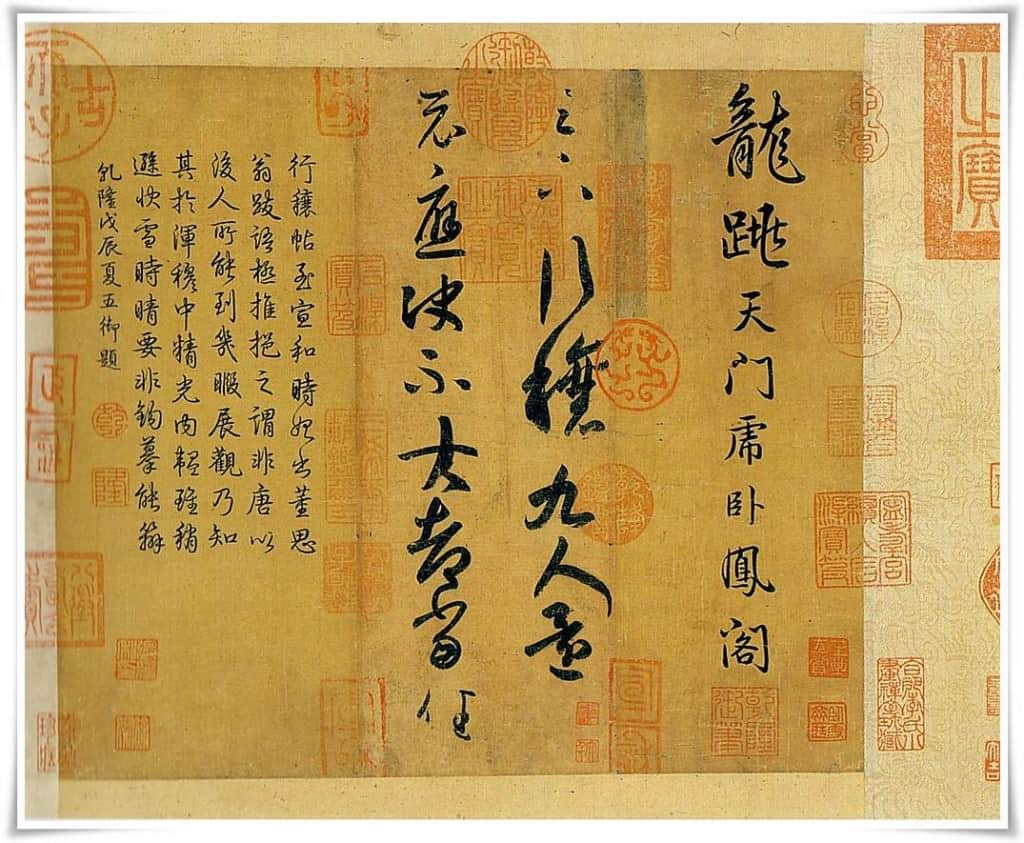
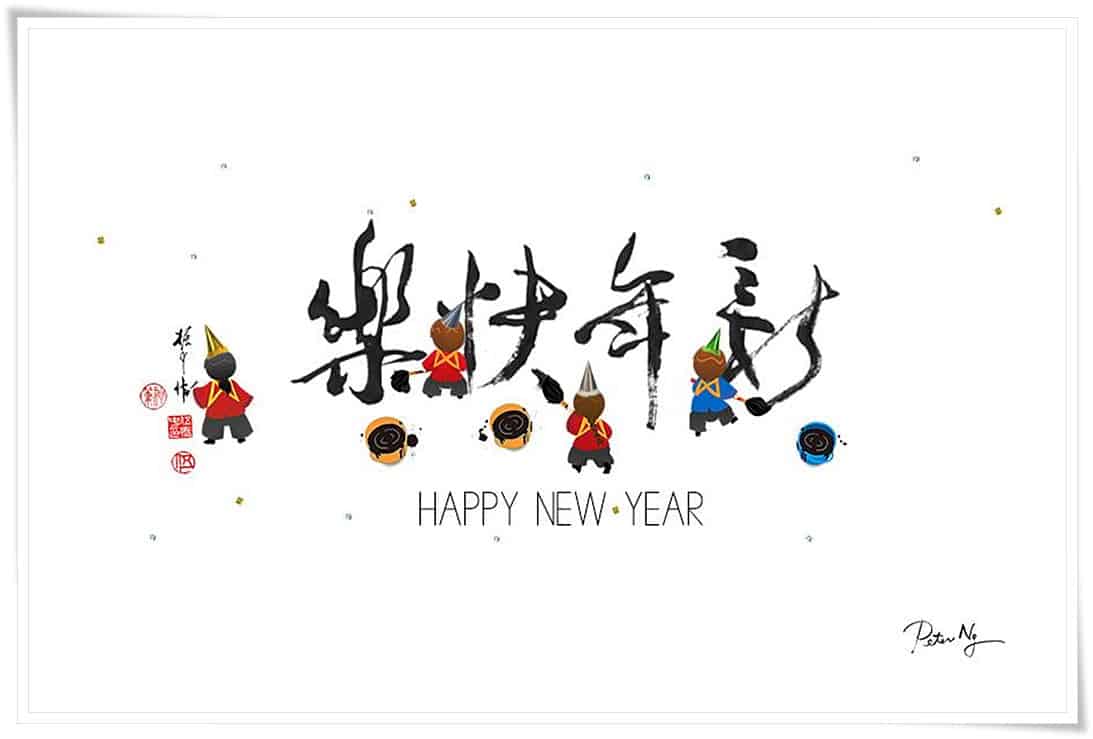
Chinese and Japanese Calligraphy - a heart imagery of the artist's soul -
The Art of Far Eastern (mainly Chinese and Japanese) calligraphy is a universe on its own, sewed with passion, soaked in love, painted in stunning beauty, sparked by raw emotions, and secluded under a translucent veil of ancient mystery. We find it as fascinating as the miracle of life itself. Our intention at beyondcalligraphy.com is to reveal and share secrets of this vast world by bringing it straight to your home.
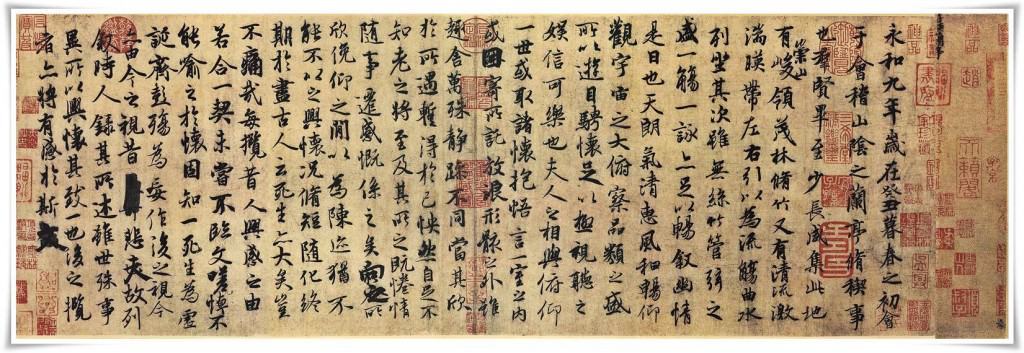
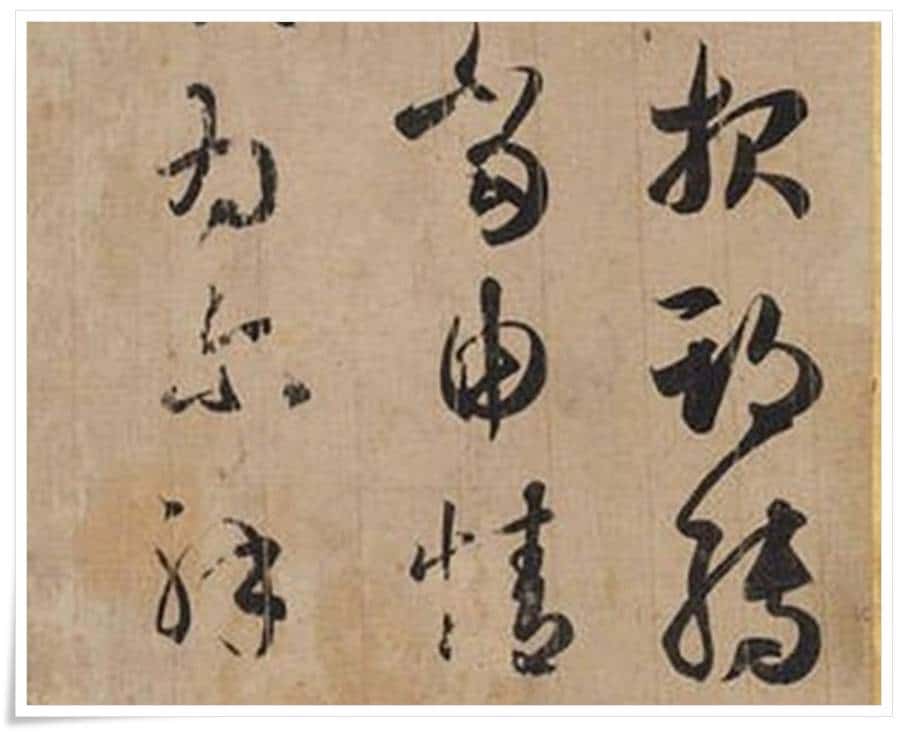
The art of writing Chinese characters is often misunderstood for many reasons. One is that not many people realise that in calligraphy, kanji (漢字, i.e. Chinese characters) are to be felt long before they are being read. Another is that the word “calligraphy” in western understanding means nothing more than a craft of writing in a beautiful manner, whereas here in the East we refer to it as “way of writing” (Japanese: 書道, shodou) or “laws of writing” (Chinese: 書法, shufa), which is to be understood as a “chosen life path”, a sacred knowledge, far beyond the definition of “art”.
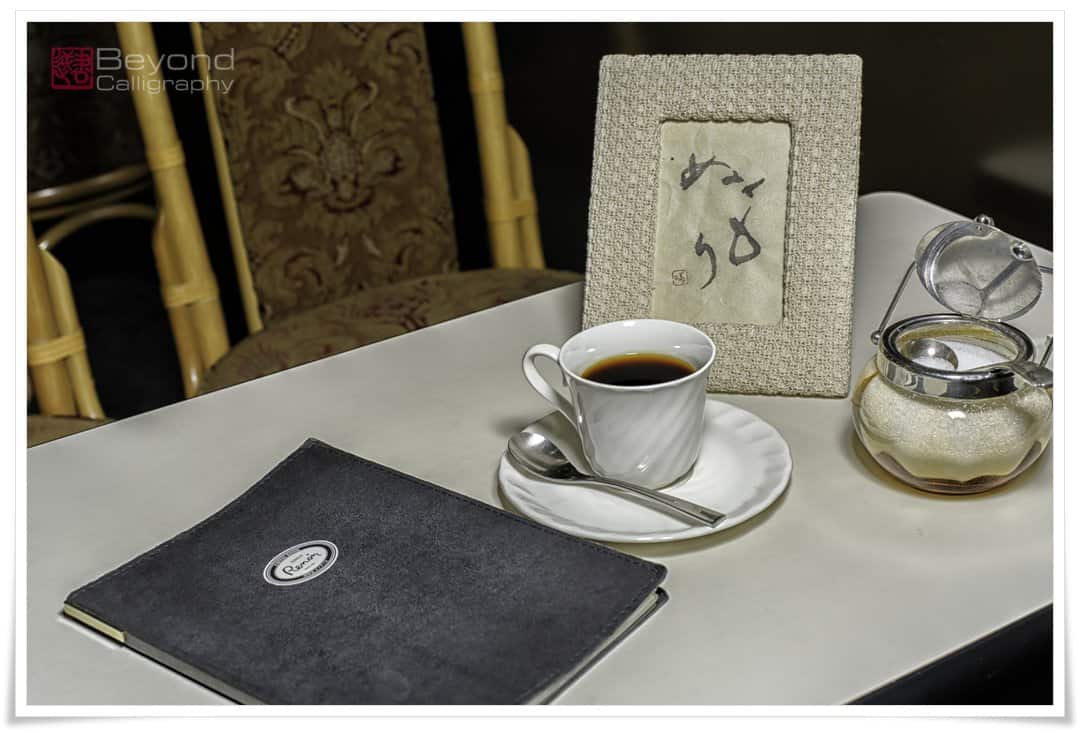
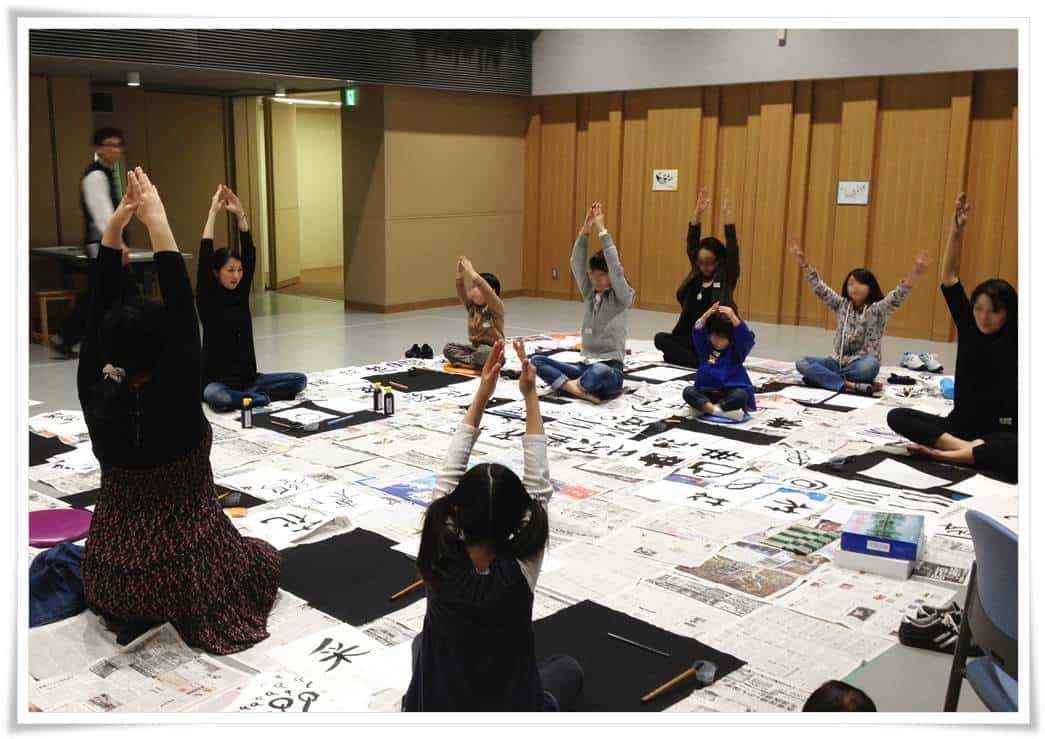
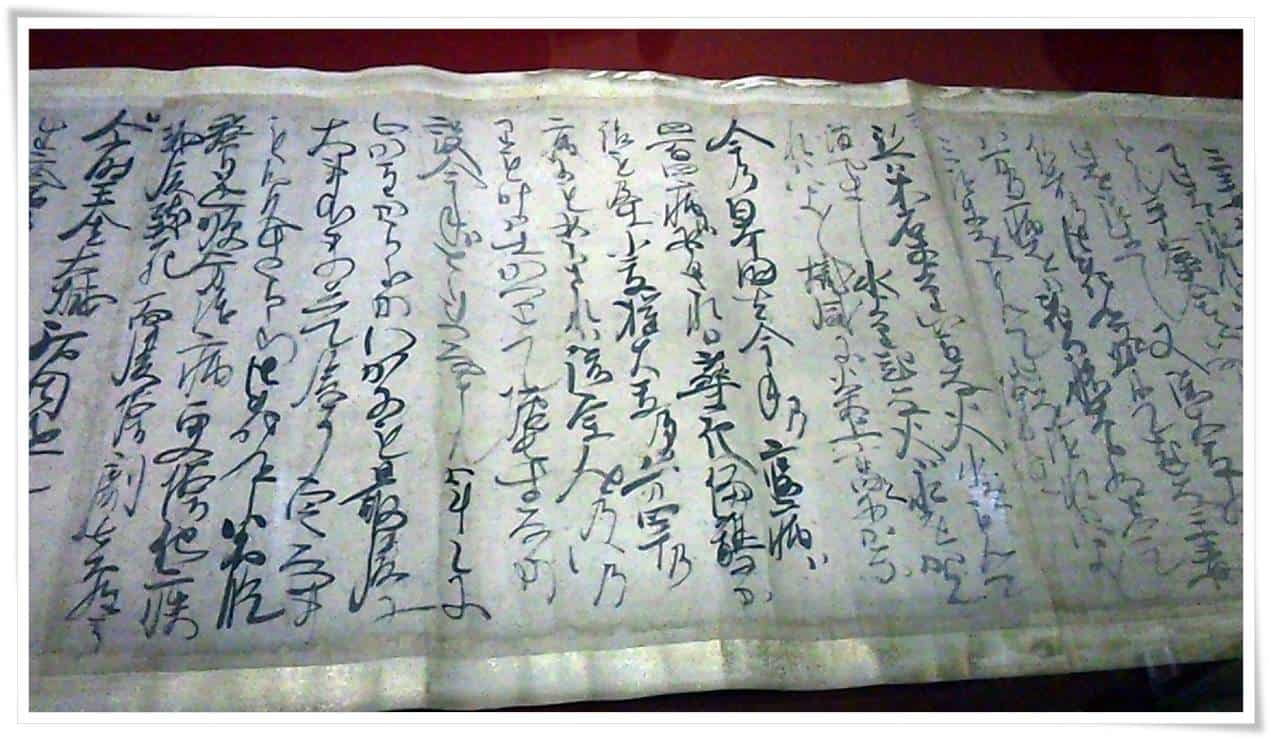
The deeply spiritual and philosophical nature of Far Eastern calligraphy may appear troublesome to interpret, and therefore to relate to. In The Far East we feel and inhale calligraphy with our senses rather than strive to comprehend it. Let the contents of our website show you how it is possible.
Finally, there are not many sources in English offering in-depth and legible information that is both in agreement with the history of this art and that acknowledges the profound influence that it has had on the evolution of human society throughout the eons of our development.
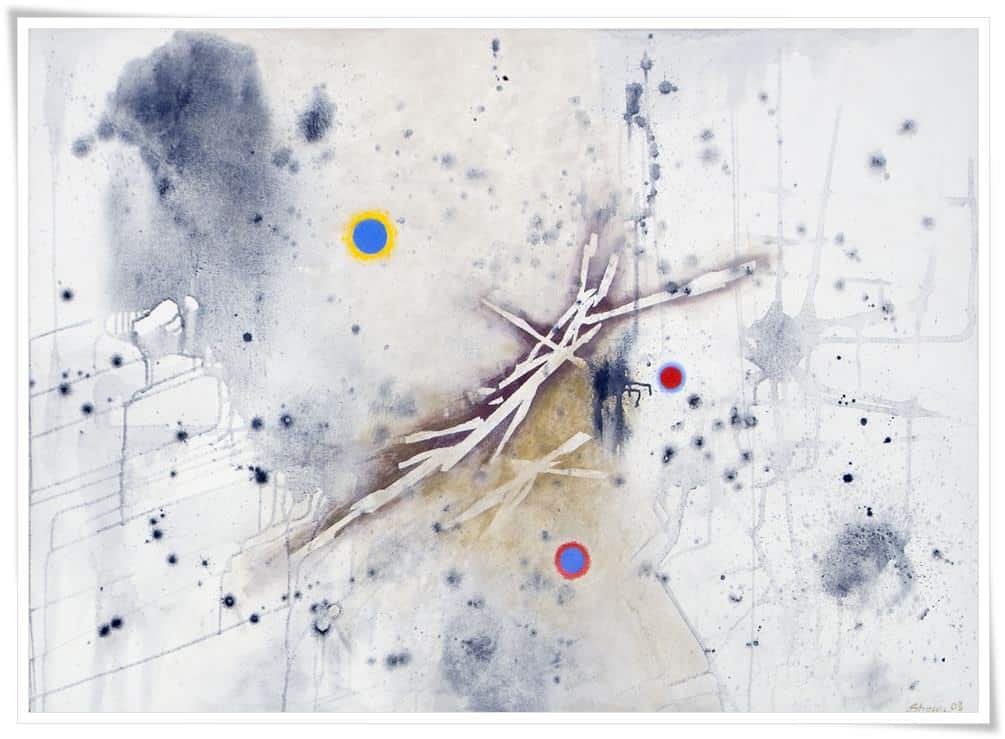
For us, calligraphy is an eternal journey inside the human soul, a warp gate into a realm of fantasies, and colourful dreams to which we fly on wings of heart imagery as if it was a mighty mythical dragon. It is a phenomenal explosion of emotion unleashing immense waves of energy by means of subconscious brush strokes, arranging simple ink lines on infinite seas of white paper, changing nothingness into raw magic.
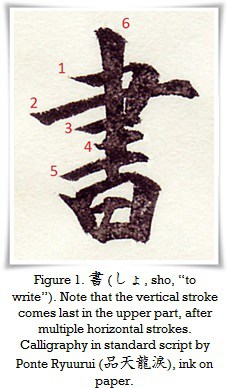
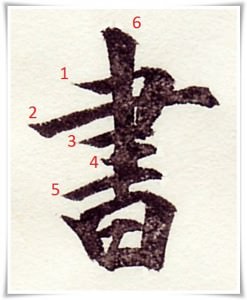
Sho (書, i.e. abbreviation of Japanese word shodou; it stands for “calligraphy”) is often considered art within art. It is an abstract “painting”, a spiritual message, a symbolic poetry and emotional “design” or vision of an artist that cannot be ever reproduced, retouched or copied. It is alive yet immortal, real yet untouchable, profound yet complex, laconic yet abyssal.
Calligraphy is also a medicine for our soul. Both admiring and writing shodou are activities proven to be not only forms of meditation, but also most effective ways of prolonging life. History proves that many ancient master calligraphers lived into their 80’s, or longer.
Surrounding yourself with calligraphy, you create peaceful and harmonious atmosphere, an enclave free of worries, sheltered from modern rush, where through aesthetical appreciation you are given a chance to enter an imaginative dimension of peace and tranquility soaked in dreams and passion of the universe itself.
Our website is offering an in-depth introduction and guidance throughout the complex and rich world of Chinese and Japanese calligraphy. From history, through humorous life-stories of ancient calligraphers, as well as its styles and forms, to tools also referred to as the four treasures of the study and, of course, works of ancient masters and skilled contemporary calligraphers, we believe we will not only reveal secrets of this ancient knowledge, but also contribute to promoting unique aesthetics for those who are passionate about reaching beyond the usual.
Here at beyondcalligraphy.com we believe both that the information and artwork will not only help you realise how to appreciate the mysterious world of calligraphy, but also let its inspiration enrich every day of your life, making it more colourful and meaningful by bringing harmony or awakening aesthetical stimulation, whichever whispers to your soul.
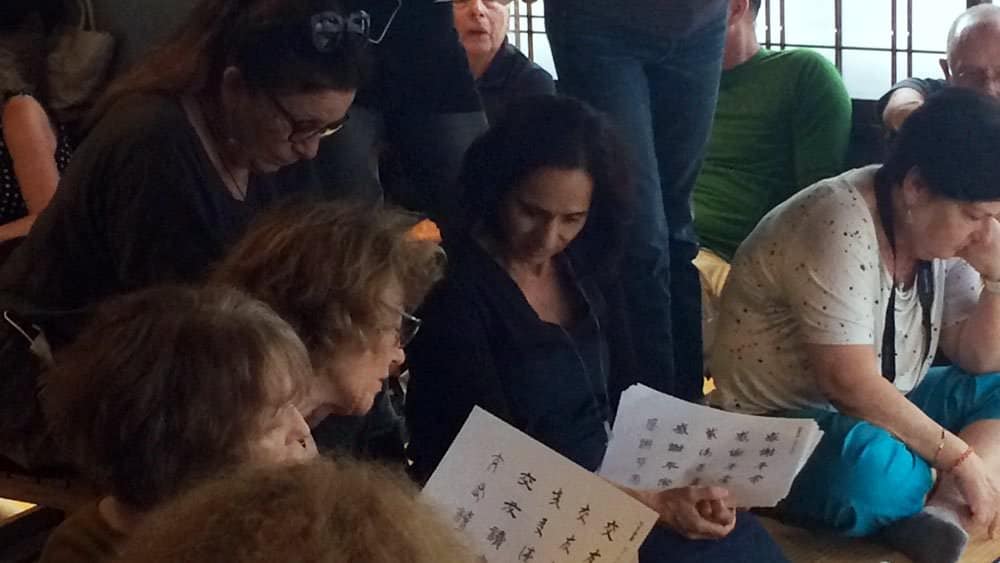
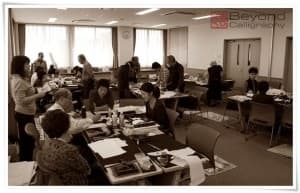
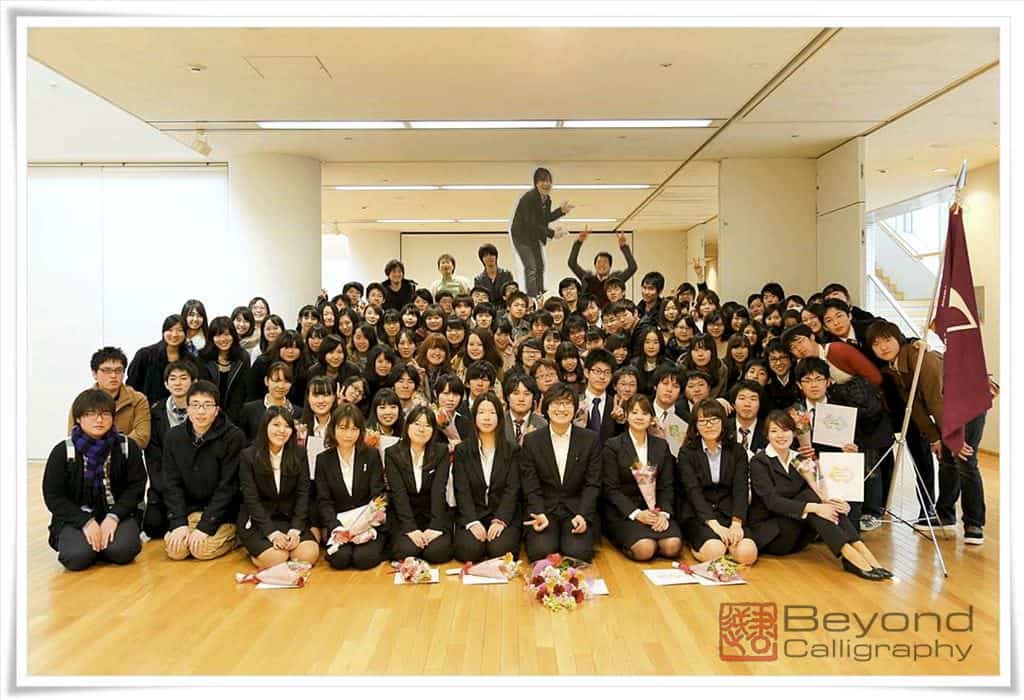
calligraphy organization Shosoin (書宗院), a calligraphy organization devoted to studying and research of Chinese and Japanese calligraphy, founded by grand master calligrapher Kuwahara Suihou
|
Beyond Calligraphy Blog Beyond Calligraphy Blog
|
what is calligraphy What is Calligraphy: Chinese and Japanese Sho is based on logographic writing system. Unlike its western counterparts, a single character can depict a word, scene, mood, and also be a poem.
|
chinese calligraphy History of Chinese Calligraphy is debatable and scientists cannot settle down agreeing to a concrete point in time.
|
japanese calligraphy History of Japanese calligraphy begins with importing Chinese writing system, namely kanji.
|
calligraphy styles Calligraphy Styles can distinguish by five core styles: Seal script, Clerical script, Cursive script, Standard script and Semi-cursive script
|
oracle bone script Main creators of texts written in oracle bone script were officials called Zhen Ren
|
seal script Seal script is a term that is used for both great and small seal script
|
great seal script Great Seal script in broad sense of its definition includes oracle bone script (koukotsubun) and kinbun
|
small seal script Small seal script was not however an invention of one man, neither it was developed immediately.
|
clerical script By simplifying the complex structure of characters, merging dots into single lines, etc, clerical script was brought to life.
|
cursive script Knowledge of cursive script is necessary for anyone who wishes to be able to read hand written Chinese characters
|
standard script Chinese Scripts can distinguish by five core styles: Great Seal script, Clerical script, Cursive script, Standard script and Semi-cursive script
|
semi-cursive Chinese Scripts can distinguish by five core styles: Great Seal script, Clerical script, Cursive script, Standard script and Semi-cursive script
|
flying white Flying White is extremely beautiful. Light, poetic in its mobility, graceful, and delicate. It is quite often being combined with paintings interwoven into the text, such as dragons, or other motives
|
kana Therefore, modern Japanese language consists of two types of kana (hiragana and katakana) and kanji.
|
bokuseki The history of bokuseki goes back to Tang 618-907 C.E. and Song 960-1279 C.E. dynasties of China.
|
avant-garde calligraphy Avant-garde calligraphy is a spiritual art of arranging space around black lines of characters or images
|
four treasures Four treasures of the study were often themes of poems, paintings and calligraphy in ancient China
|
calligraphy brush The calligraphy brush symbolizes the extension of mind and body of the calligrapher.
|
calligraphy brush hairs The calligraphy brush hairs of the brush is one of the most importants parts of the brush
|
calligraphy brush sizes All calligraphy brush sizes have there own application in calligraphy
|
choosing a calligraphy brush Choosing a calligraphy brush is as important as doing calligraphy itself
|
calligraphy brush anatomy The calligraphy brush anatomy is made up of 9 differenet parts.
|
calligraphy brush handling Calligraphy brush handling is very important in preventing damaged to the calligraphy brush
|
calligraphy inkstone a calligraphy Inkstone is the second most important treasure of the study.
|
calligraphy inkstone types The four main calligraphy inkstone types are called Duan, She, Taohe and Chengni Inkstones
|
choosing a calligraphy inkstone Choosing a calligraphy inkstone will employ the use of your senses.
|
calligraphy inkstone handling Proper Calligraphy Inkstone handling is vital as not to damage the surface
|
calligraphy ink Calligraphy Ink grinding for a calligrapher is a form of meditation. The monotony of clockwise movements puts his mind and heart into a dream-like state.
|
calligraphy ink types Today ink comes in two major calligraphy ink types: hardened and liquid
|
choosing calligraphy ink There are three main things when choosing calligraphy ink.
|
calligraphy ink handling Proper calligraphy ink handling is required to prolong the life span of ink.
|
calligraphy paper The art of making calligraphy paper in Japan was initiated by a Korean monk in 610 A.D., who brought the recipe with him.
|
calligraphy paper types There are many calligraphy paper types, but the most suitable is called Xuan paper.
|
choosing calligraphy paper Things to remember about when choosing calligraphy paper
|
contact us If you have any Questions about Beyond Calligraphy, Please contact us.
|
|